Easy Lemon Vinaigrette- Quick Salad Dressing Recipe
Basic Lemon Vinaigrette Dressing is the unsung hero of any kitchen. It’s the culinary cbeef hameleon that can transform a humble bowl of greens into a vibrant, restaurant-worthy salad. We all crave that perfect balance of bright acidity and smooth richness, and this simple dressing delivers it every single time. Why is it so beloved? Because it’s incredibly versatile, wonderfully fresh, and elevates everything it touches without overpowering other flavors. What makes this particular basic lemon vinaigrette dressing recipe so special is its pure simplicity. You likely have all the ingredients in your pantry right now, and in mere minutes, you’ll have a dressing that’s leagues above anything from a bottle. Forget complicated emulsifiers or obscure spices; this is about letting the clean, zesty flavor of lemons shine.
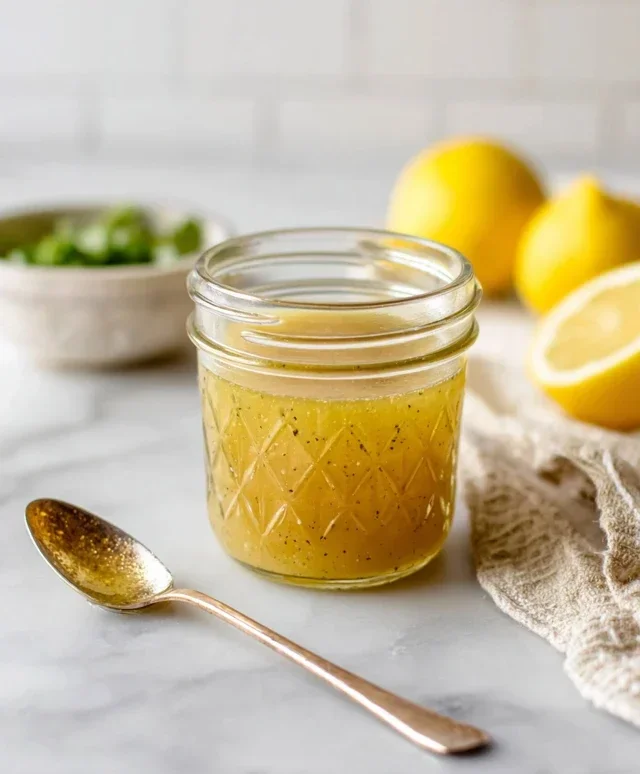
Basic Lemon Vinaigrette Dressing
There are few things as versatile and satisfying in a kitchen as a truly great homemade vinaigrette. Forget those store-bought bottles with their long lists of unpronounceable ingredients and their often-overpowering flavors. Crafting your own basic lemon vinaigrette is surprisingly simple, incredibly rewarding, and allows you to customize the taste to your exact preferences. This bright, zesty dressing is a staple for a reason. It elevates salads from mere side dishes to delightful culinary experiences, can be used as a marinade for poultry or fish, or even drizzled over roasted vegetables for an extra punch of flavor. The beauty of this recipe lies in its simplicity and the freshness of its ingredients. We’ll start with a foundational blend that is perfectly balanced, and then I’ll offer some tips on how you can play with it further to make it truly your own. So, let’s gather our ingredients and embark on this delicious journey!
Ingredients:
Crafting Your Vinaigrette
Now that we have our ingredients ready, let’s get to the fun part: making the dressing! The process is wonderfully straightforward, and you don’t need any fancy equipment. In fact, the classic method often involves shaking everything together in a jar, which is a fantastic way to emulsify (mix) the oil and vinegar. However, for a slightly more controlled and perhaps more thoroughly combined result, I prefer to start by whisking the ingredients together in a bowl. This allows me to ensure everything is well incorporated before adding the oil.
Step-by-Step Instructions
1. Combine the Acidic and Flavor Bases: In a medium-sized bowl, begin extract by combining the apple cider vinegar and fresh lemon juice. These two liquids form the acidic backbone of our vinaigrette. Apple cider vinegar offers a slightly more robust tang than plain white vinegar, while the lemon juice adds that quintessential bright, fresh citrus note. Next, add the water. The water might seem counterintuitive, but it helps to slightly mellow the intensity of the vinegar and lemon juice, making for a more harmonious blend. It also contributes to a lighter, less oily texture overall.
2. Introduce the Emulsifiers and Sweeteners: Now, it’s time to add the ingredients that will help bind everything together and balance the acidity. Whisk in the Dijon mustard. Mustard is a fantastic emulsifier, meaning it helps to keep the oil and vinegar from separating completely. It also adds a subtle but distinct peppery flavor that complements the lemon beautifully. Following that, add your sweetener. I’ve listed honey or maple syrup as options, both of which provide a lovely sweetness that rounds out the tartness. If you prefer a sugar-free option, a pinch of stevia can work wonders, but be mindful that stevia is quite potent, so start with a very small amount and taste as you go.
3. Infuse with Aromatics and Seasonings: This is where we build layers of flavor. Add the dried oregano. If you’re using fresh oregano, be sure to finely chop about a tablespoon of the leaves. Dried herbs are more concentrated, so you need less of them. The oregano will lend a wonderfully earthy and aromatic quality to the dressing, which pairs exceptionally well with the citrus and garlic. Next, add the minced garlic clove. Fresh garlic offers a pungent kick that is far superior to powdered garlic. Make sure to mince it very finely, or you can even use a garlic press for an extra fine texture. Finally, season with sea salt and black pepper. Sea salt has a cleaner, more nuanced flavor than table salt, and freshly cracked black pepper provides a lively, spicy contrast.
4. Whisk and Emulsify: At this stage, whisk all the ingredients in the bowl together vigorously. You want to ensure the mustard is fully incorporated, the garlic is evenly distributed, and the salt and pepper have dissolved. This initial whisking creates a well-mixed base. Now, with your whisk still in the bowl, begin extract to slowly drizzle in the olive oil. This is the crucial step for emulsification. Start by adding the oil in a very thin, steady stream while whisking continuously. As you add the oil, you’ll notice the mixture will begin extract to thicken and become opaque, transforming from a thin liquid into a creamy, cohesive dressing. Continue whisking until all the olive oil has been incorporated and the vinaigrette has reached your desired consistency. It should look beautifully smooth and slightly thickened.
5. Taste and Adjust: Once all the oil is whisked in, take a moment to taste your creation. This is your chance to truly make it your own. Does it need a little more brightness? Add another squeeze of lemon juice. Is it a touch too tart? Whisk in a tiny bit more honey or maple syrup. Perhaps you like a stronger garlic flavor, or maybe you want to add a pinch more salt or pepper. This is also the time to experiment with additional herbs like thyme, rosemary, or a pinch of red pepper flakes for a touch of heat. Don’t be afraid to get creative! Once you’re happy with the balance of flavors, your basic lemon vinaigrette is ready to be enjoyed.
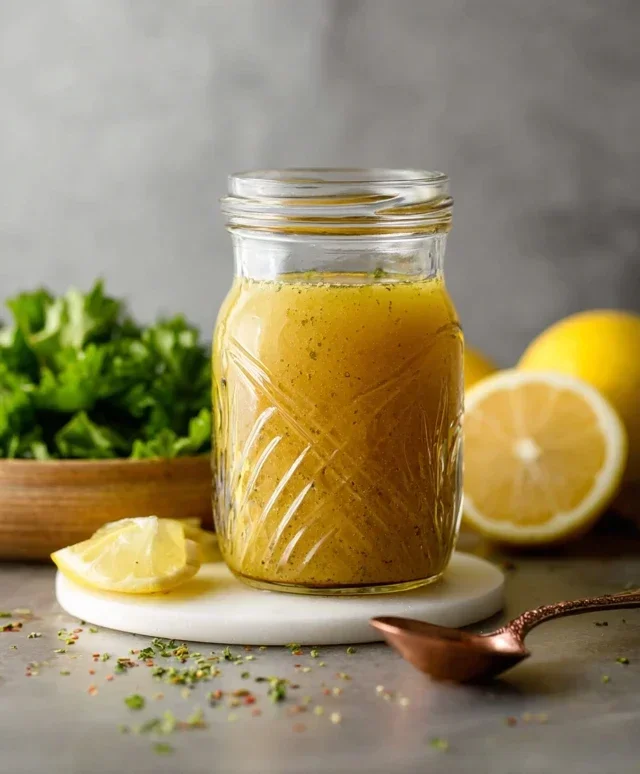
This basic lemon vinaigrette is incredibly adaptable. You can store it in an airtight container in the refrigerator for up to a week. Just a quick whisk or shake will re-emulsify it if it separates. Enjoy it on your favorite salads, as a marinade, or in any other culinary adventure you can dream up!
Conclusion:
And there you have it – the incredibly simple yet remarkably versatile basic lemon vinaigrette dressing! This recipe is a true kitchen essential because it elevates almost any dish with its bright, zesty flavor. Forget those store-bought dressings laden with preservatives and artificial ingredients. With just a few pantry staples, you can whip up a fresh, delicious, and healthy dressing in minutes. It’s perfect for transforming a simple green salad into a culinary delight, but its uses extend far beyond that. I love drizzling it over roasted vegetables, using it as a marinade for chicken or fish, or even tossing it with pasta for a light and refreshing meal. Don’t be afraid to experiment! This basic lemon vinaigrette is an excellent foundation for countless variations.
I encourage you to give this recipe a try. You’ll be amazed at how easy it is to create such a vibrant and flavorful dressing. It’s a game-changer for everyday cooking!
Frequently Asked Questions:
Can I make this lemon vinaigrette ahead of time?
Absolutely! This dressing keeps beautifully in an airtight container in the refrigerator for up to a week. Just give it a good shake before each use, as the oil and lemon juice may separate over time.
What are some good variations to try?
The possibilities are endless! You can add a touch of sweetness with honey or maple syrup, a hint of garlic by mincing a clove or two, or a sprinkle of your favorite herbs like dill, parsley, or chives. A pinch of Dijon mustard also adds a wonderful emulsifying quality and a delightful tang.
How long does the dressing last?
Stored properly in the refrigerator in a senon-alcoholic aled container, this basic lemon vinaigrette will stay fresh and delicious for about 7 days. The vibrant lemon flavor may mellow slightly over time, but it will still be very enjoyable.
Basic Lemon Vinaigrette Dressing
A simple and versatile lemon vinaigrette perfect for salads and marinades.
Ingredients
-
1/4 cup apple cider vinegar
-
2 Tablespoons fresh lemon juice
-
2 Tablespoons water
-
1 Tablespoon dijon mustard
-
2 teaspoons honey
-
1 teaspoon dried oregano
-
1 clove garlic, minced
-
1/2 teaspoon sea salt
-
1/4 teaspoon black pepper
-
1/2 cup + 2 Tablespoons olive oil
Instructions
-
Step 1
In a medium bowl, whisk together the apple cider vinegar, fresh lemon juice, water, dijon mustard, honey, dried oregano, minced garlic, sea salt, and black pepper until well combined. -
Step 2
Slowly drizzle in the olive oil while continuously whisking. Continue whisking until the dressing is emulsified and thickened. -
Step 3
Taste and adjust seasoning as needed, adding more honey, salt, or pepper if desired. -
Step 4
For a smoother dressing, transfer the mixture to a blender or food processor and blend until smooth. -
Step 5
Pour the vinaigrette into an airtight container. It can be stored in the refrigerator for up to 2 weeks. -
Step 6
Before serving, shake or whisk the dressing to re-emulsify if it has separated.
Important Information
Nutrition Facts (Per Serving)
It is important to consider this information as approximate and not to use it as definitive health advice.
Allergy Information
Please check ingredients for potential allergens and consult a health professional if in doubt.