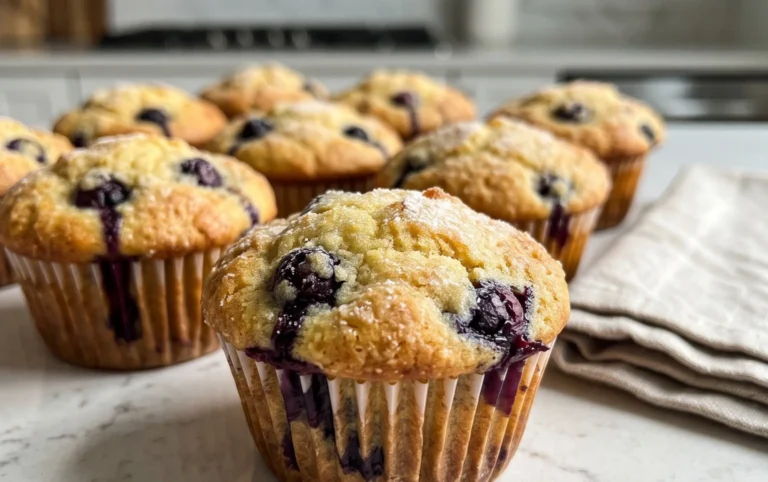
Easy Homemade English Muffins- Delicious & Simple Recipe
Easy Homemade English Muffins are a game-changer for breakfast lovers everywhere! Forget those bland, pre-packaged versions that crum extractble at the slightest touch. Imagin extracte sinking your teeth into a warm, slightly chewy muffin, each bite revealing those glorious nooks and crannies just beggin extractg to be slathered with butter, jam, or even transformed into the ultimate breakfast sandwich. The sheer satisfaction of creating these from scratch, knowing exactly what goes into them, is incredibly rewarding. What makes these easy homemade English muffins so special is their incredible versatility and the comforting aroma that fills your kitchen as they bake. They’re a simple pleasure, a taste of tradition that’s surprisingly achievable for any home cook.
Why You’ll Love This Recipe
There’s something undeniably comforting about a perfectly toasted English muffin. The way they absorb butter and jam, the delightful contrast between the slightly crisp exterior and the soft, airy interior – it’s pure breakfast bliss. These easy homemade English muffins capture all that goodness without the fuss. We’re talking simple ingredients, minimal kneading, and a process that’s more enjoyable than daunting. You’ll find yourself whipping these up on a regular basis, whether it’s for a lazy weekend brunch or a quick weekday treat.

Easy Homemade English Muffins
There’s nothing quite like a warm, toasty English muffin for breakfast. The nooks and crannies, the slightly chewy interior, the satisfying crunch when you bite into it – it’s a classic for a reason! While store-bought options are convenient, making them from scratch is surprisingly simple and incredibly rewarding. The aroma that fills your kitchen as these bake is simply divine, and the taste is a world apart from anything you’ll find in a plastic bag. Forget those crum extractbly, flavorless imposter muffins; today, we’re diving into the delightful world of homemade English muffins, and I promise, it’s easier than you think. This recipe is designed for begin extractners, with clear steps and helpful tips to ensure your success. Get ready to elevate your breakfast game!
Ingredients:
Preparing the Dough
The journey to perfect English muffins begin extracts with activating your yeast. In a large mixing bowl, combine the warm water and sugar. Give it a gentle stir to dissolve the sugar. Now, sprinkle the instant dry yeast over the surface of the water. Let this mixture sit undisturbed for about 5-10 minutes. You’ll know your yeast is alive and kicking if it starts to look foamy and bubbly on top, like a tiny, delicious science experiment. This ‘blooming’ process ensures your yeast is active and ready to work its magic, creating those delightful air pockets that give English muffins their signature texture. If you don’t see any foam, your yeast might be expired, and it’s best to start over with fresh yeast to avoid disappointment.
Once the yeast is bloomed, pour in the oil (or melted butter). Give it a quick whisk to combine everything. Now it’s time to add your flour and salt. I usually add about 2 ½ cups of flour first, reserving the rest. Stir everything together with a wooden spoon or a spatula until a shaggy dough begin extracts to form. It will look quite rough at this stage, and that’s perfectly normal.
Kneading and First Rise
Now comes the part where we develop the gluten, which gives our English muffins their lovely chew. Turn the dough out onto a lightly floured surface. If the dough is excessively sticky, dust your hands with a little more flour. Knead the dough for about 8-10 minutes. The goal is to work the dough until it’s smooth, elastic, and springs back when you gently press it with your finger. Think of it as giving the dough a good workout! You’re essentially stretching and folding the strands of gluten, creating a strong network that will trap the gases produced by the yeast. It might seem like a lot of effort, but the results are well worth it.
Once your dough is beautifully kneaded, shape it into a ball. Lightly oil the inside of your mixing bowl (the same one you used earlier is fine). Place the dough ball in the bowl and turn it over to coat both sides with a thin layer of oil. Cover the bowl tightly with plastic wrap or a damp kitchen towel. Find a warm, draft-free spot in your kitchen – the top of a slightly warm (but not hot!) oven or near a sunny window works well. Let the dough rise for about 1 to 1 ½ hours, or until it has doubled in size. This is where the magic truly happens, as the yeast gets to work, feeding on the sugar and producing carbon dioxide gas, which makes the dough puff up and become airy.
Shaping and Second Rise
Once your dough has doubled, gently punch it down to release the accumulated gases. Turn the dough out onto a lightly floured surface again. You can lightly dust your hands with flour to prevent sticking. Pat or gently roll the dough to about ½ inch thickness. Use a 3-inch round cutter (a biscuit cutter or even the rim of a glass will work) to cut out your English muffin shapes. You want to press straight down with a decisive motion. Avoid twisting the cutter, as this can seal the edges and prevent proper rising. Gather the scraps, gently re-knead them a couple of times, and cut out more rounds until you’ve used up most of the dough.
Now, prepare your baking sheets. Generously sprinkle them with cornmeal. This is where the distinct texture of English muffins comes from. Place each dough round onto the cornmeal-lined baking sheets, ensuring they have a little space between them. Sprinkle a bit more cornmeal over the tops of each muffin. Cover the baking sheets loosely with plastic wrap or a clean kitchen towel. Let the muffins rise for another 30-45 minutes. They won’t double in size this time, but they should puff up noticeably and become nice and round. This second rise is crucial for creating those airy interiors.
Cooking the English Muffins
This is the final hurdle, and it’s exciting! Heat a lightly oiled griddle or a large, heavy-bottomed skillet over medium-low heat. You want a gentle, consistent heat. Too high and the outside will burn before the inside cooks. Too low and they might not brown properly. Test the heat by dropping a tiny bit of dough onto the griddle; it should sizzle gently. Carefully place 3-4 English muffin rounds onto the hot griddle, making sure not to overcrowd the pan.
Cook the muffins for about 5-7 minutes per side. You’re looking for a beautiful golden-brown color on both sides and for the muffins to feel firm to the touch. You might see small bubbles forming on the surface as they cook. Resist the urge to press down on them with your spatula, as this will deflate them and ruin those precious nooks and crannies. Once they’ve achieved a lovely golden hue on both sides, carefully remove them from the griddle.
Cooling and Enjoying
Transfer the cooked English muffins to a wire rack to cool completely. This step is important for allowing the internal structure to set. Trying to split them open while they’re too hot can lead to a gummy texture. Once they’ve cooled, the true joy begin extracts: splitting them open! Use a fork to gently split each muffin in half, working your way around the edges. This creates those perfect nooks and crannies that are ideal for holding butter, jam, or any other delicious topping. You can then toast them to perfection in your toaster or under the broiler. Enjoy your incredibly delicious, homemade English muffins! They are best enjoyed fresh, but leftovers can be stored in an airtight container at room temperature for a couple of days, or frozen for longer storage.

Conclusion:
And there you have it – the secret to enjoying perfectly tender, wonderfully chewy easy homemade English muffins right in your own kitchen! I truly hope you’ve enjoyed learning how simple it is to create these breakfast delights from scratch. The aroma alone as they cook is incredibly rewarding, and the taste is miles beyond anything store-bought. These aren’t just muffins; they’re a blank canvas for your favorite breakfast toppings.
Don’t be shy about experimenting! While classic butter and jam are divine, imagin extracte them toasted and topped with a perfectly poached egg and hollandaise for a delightful Eggs Benedict, or even used as a base for a mini pizza. For variations, consider adding a pinch of finely chopped herbs like chives or rosemary to the dough for a savory twist, or a hint of cinnamon and nutmeg for a sweeter profile. I wholeheartedly encourage you to give this recipe a try. It’s truly a game-changer for your weekend brunches and busy weekday mornings alike. You’ll be so proud of yourself for making them!
Frequently Asked Questions:
Q: Can I make the dough ahead of time?
Yes, you can! After the first rise, you can punch down the dough, cover it tightly, and refrigerate it for up to 24 hours. This allows the flavors to deepen even further. Just let it come to room temperature slightly before shaping and cooking.
Q: My muffins aren’t developing those classic nooks and crannies. What am I doing wrong?
The nooks and crannies are often a result of how the dough is handled before cooking and the cooking surface itself. Ensure you are gently shaping the dough into rounds without overworking it. Cooking on a lightly greased, moderately hot cast-iron griddle or a heavy-bottomed frying pan on medium-low heat for a good amount of time on each side (about 5-7 minutes per side) encourages their formation. Don’t rush the cooking process!
Easy Homemade English Muffins
Whip up a batch of delicious, fluffy English muffins from scratch with this easy recipe.
Ingredients
-
1 ¼ cups warm water
-
1 tablespoon sugar
-
1 teaspoon instant dry yeast
-
2 tablespoon oil
-
2 ¾ cups all purpose flour
-
1 teaspoon salt
-
cornmeal for dusting
Instructions
-
Step 1
In a large bowl, combine warm water, sugar, and instant dry yeast. Let stand for 5 minutes until foamy. -
Step 2
Stir in the oil until well combined. -
Step 3
Add the all purpose flour and salt. Mix until a shaggy dough forms. If the dough is too sticky, add up to 1/4 cup more flour. -
Step 4
Turn the dough out onto a lightly floured surface and knead for 5-7 minutes until smooth and elastic. -
Step 5
Shape the dough into 8 equal rounds. Place them on a baking sheet lined with parchment paper and lightly dusted with cornmeal. Cover loosely and let rise for 15 minutes. -
Step 6
Heat a lightly oiled griddle or frying pan over medium heat. Cook the English muffins for about 5 minutes per side, until golden brown and cooked through.
Important Information
Nutrition Facts (Per Serving)
It is important to consider this information as approximate and not to use it as definitive health advice.
Allergy Information
Please check ingredients for potential allergens and consult a health professional if in doubt.