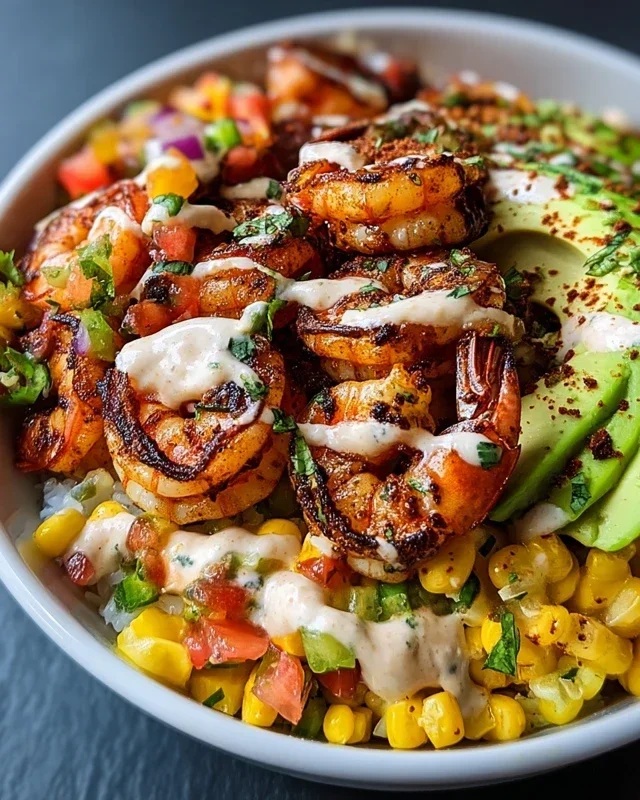
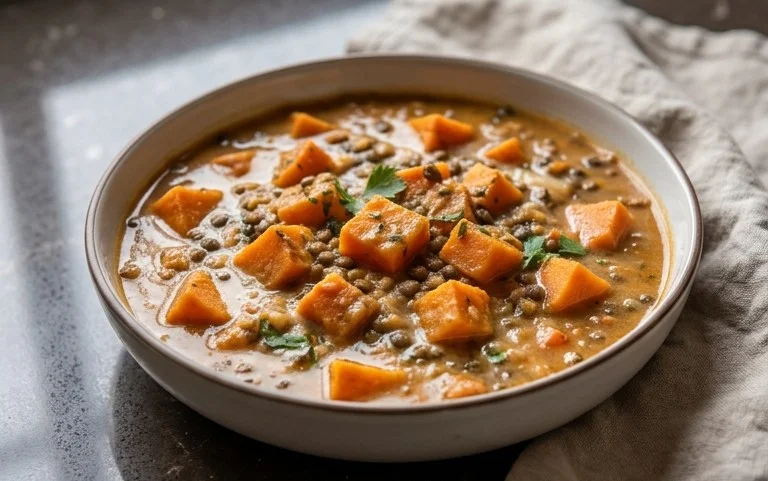
Easy Foil-Wrapped Camping Meals for Your Next Adventure
21 Foil-Wrapped Camping Recipes are your passport to effortless outdoor feasting! Imagin extracte this: after a long day of hiking or exploring, you’re craving something hearty and delicious, but the thought of extensive cleanup around the campfire fills you with dread. That’s precisely where the magic of foil packet meals shines. These ingenious little parcels, cooked directly over the coals or on a grill, are a camper’s best friend. They minimize dishes, maximize flavor, and transform simple ingredients into a culinary adventure. The beauty of these 21 Foil-Wrapped Camping Recipes lies in their adaptability – you can customize them with your favorite proteins, vegetables, and seasonings, creating personalized masterpieces under the stars. They’re incredibly forgiving, making them perfect for even novice camp cooks. Let’s dive into a world where delicious, easy, and mess-free camping meals are not just a dream, but a delicious reality with these fantastic 21 Foil-Wrapped Camping Recipes.
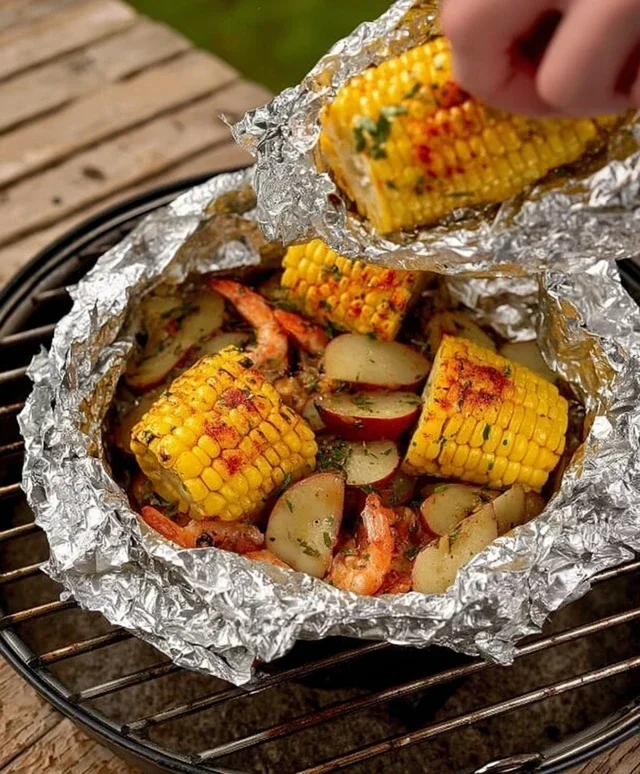
21 Foil-Wrapped Camping Recipes: Your Guide to Delicious Outdoor Meals
Camping trips are all about embracing the outdoors and enjoying delicious food without the hassle of complicated cleanup. Foil-packet meals are the absolute stars of this show! They’re incredibly versatile, allowing you to customize them to your heart’s content, and best of all, they minimize dishes. Imagin extracte tossing a few foil-wrapped bundles directly into the campfire or onto the grill, and then simply unwrapping a perfectly cooked, flavorful meal. It’s pure camping magic!
This article isn’t about specific recipes with exact measurements for ingredients like “Quizzes” or “Shopping.” Instead, it’s about the concept of foil-wrapped meals and how you can adapt it using readily available camping food items. Think of this as your foundational guide to creating your own amazing foil-packet creations. We’ll cover the essential elements, from choosing your ingredients to mastering the cooking techniques.
The Magic of Foil Packets
Foil packets are brilliant because they steam food in its own juices, creating tender and flavorful results. The aluminum foil acts as a personal oven, locking in moisture and heat. This means you can cook proteins, vegetables, and even starches all in one neat package. Plus, cleanup is a breeze – just let the packets cool and then dispose of them, or if you’re feeling extra eco-conscious, you can sometimes rinse them and reuse them if they aren’t too messy.
Building Your Foil Packet: The Core Components
Every great foil-wrapped meal starts with a few key players. You’ll want a protein, some hearty vegetables, a starch or grain for substance, and of course, some flavor boosters.
Protein Options:
When thinking about proteins, consider things that cook relatively quickly. Thin cuts of chicken, fish, or beef work wonderfully. Ground meats can also be formed into patties or crum extractbled into the packet. For a vegetarian option, consider firm tofu or hearty beans.
Vegetable Choices:
Almost any vegetable can be transformed in a foil packet. Root vegetables like potatoes and carrots will need a bit more time, so chop them smaller. Softer vegetables like bell peppers, onions, zucchini, and broccoli will cook up beautifully. Leafy greens like spinach can even be added towards the end of cooking if you like them wilted.
Starches and Grains:
To make your meal more filling, add a starch. Small diced potatoes are a classic. You can also include rice (pre-cooked is best for shorter cooking times) or even pasta. Couscous also works well.
Flavor Boosters:
This is where you really get to play! Think about your favorite flavor profiles. Butter or oil is essential for preventing sticking and adding richness. Herbs and spices are your best friends. Garlic, onion powder, paprika, Italian seasoning, chili powder – the possibilities are endless. Sauces like soy sauce, Worcestershire sauce, or even a dollop of barbecue sauce can elevate your meal. A squeeze of lemon or lime juice at the end adds a burst of freshness.
Preparing Your Foil Packets: Step-by-Step
Let’s get down to the nitty-gritty of how to assemble and cook these culinary wonders.
Prepping Your Ingredients:
Before you even think about assembling your packets, have all your ingredients prepped and ready to go. This means washing and chopping your vegetables, cubing your protein, and having your seasonings measured out. For vegetables like potatoes or carrots that take longer to cook, cut them into smaller, uniform pieces to ensure they cook evenly with the other ingredients. If you’re using raw meat or poultry, ensure it’s cut into bite-sized pieces so it cooks through within the typical foil packet cooking time. Having everything ready will make the assembly process quick and efficient, especially when you’re out in the elements.
Creating the Foil Base:
Tear off a generous sheet of heavy-duty aluminum foil. You want enough to comfortably enclose your ingredients without any leaks. For added security, you can use two layers of foil. Place your chopped ingredients in the center of the foil. Don’t overfill your packet; you want enough space for the steam to circulate and cook everything evenly. Think of it like creating a little personal steamer for each serving.
Adding Fat and Flavor:
Drizzle your chosen fat (butter, oil) over the ingredients. This is crucial for preventing sticking and ensuring everything cooks nicely. Then, generously sprinkle your seasonings, herbs, and any sauces you’ve decided on. This is where the magic happens! Imagin extracte tossing in some minced garlic, a pinch of salt and pepper, and a swirl of your favorite marinade. Distribute these flavorings evenly throughout the ingredients.
Sealing Your Packets:
This is a critical step for successful foil-packet cooking. Bring the sides of the foil together to create a senon-alcoholic aled package. Fold the edges over several times to ensure no steam or juices can escape. You can also fold the ends in to create a secure pouch. The goal is a tight seal that will trap all the delicious flavors inside. If you’re worried about leaks, especially with more liquid-based recipes, create a second foil enclosure around the first one. This double-wrapping provides extra protection and helps retain heat.
Cooking Your Foil Packets:
You have a few options here. The most common is to place your senon-alcoholic aled packets directly into a campfire or on a charcoal grill. For a campfire, nestle them into the embers or coals, turning them occasionally. On a grill, place them over medium heat. The cooking time will vary depending on the ingredients, but a good starting point is 15-25 minutes. For a more controlled environment, you can also cook them in an oven set at around 400°F (200°C). Regardless of the method, you’ll know they’re ready when the protein is cooked through and the vegetables are tender. Gently open one packet to check for doneness.
Tips for Camping Culinary Success
With these guidelines, you’re well on your way to creating delicious, mess-free meals in the great outdoors. Happy camping and happy cooking!
Conclusion:
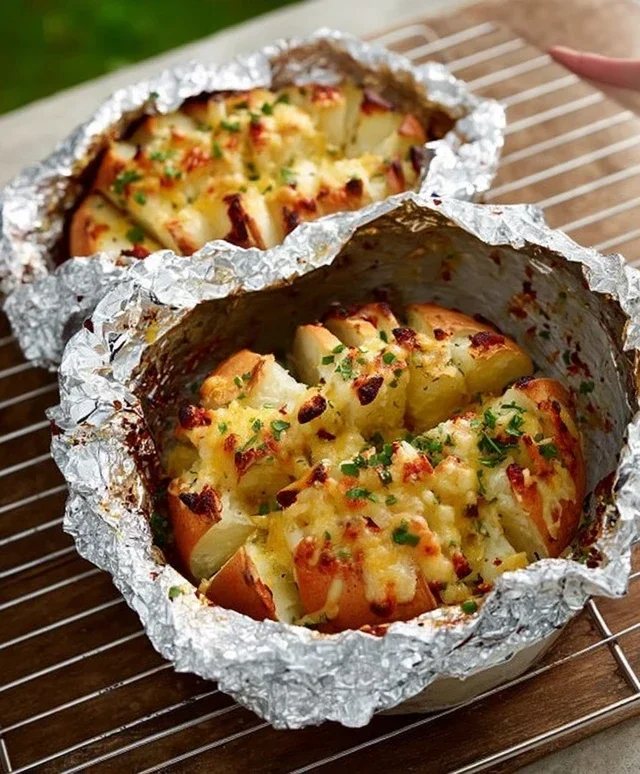
There you have it – 21 fantastic foil-wrapped camping recipes designed to make your outdoor culinary adventures a breeze! These recipes are absolute game-changers for anyone who loves delicious, easy-to-clean-up meals under the stars. The beauty of foil packets lies in their simplicity, their ability to infuse flavors wonderfully, and the minimal cleanup they require, freeing you up to enjoy the campfire and company. Imagin extracte savoring a perfectly cooked sausage and veggie medley or a sweet, gooey dessert without a mountain of dishes to tackle later!
Serving these packets couldn’t be easier. They’re a complete meal in themselves, perfect for enjoying straight from the coals. For a heartier spread, consider pairing them with some simple sides like a pre-made potato salad, fresh bread, or a crisp green salad. Don’t be afraid to get creative with variations! Swap out the proteins, experiment with different spice blends, or add your favorite seasonal vegetables. The possibilities are truly endless, making these foil-wrapped camping recipes a versatile staple for any camping trip.
I highly encourage you to try a few of these recipes on your next outdoor excursion. You might be surprised at how satisfying and gourmet campfire cooking can be with a little foil magic. Happy camping and even happier eating!
Frequently Asked Questions:
Can I use parchment paper inside the foil?
Yes, absolutely! Adding a layer of parchment paper inside your foil can help prevent food from sticking directly to the foil and makes cleanup even easier. Just make sure the parchment paper is completely enclosed within the foil packet.
How long should I cook my foil packets?
Cooking times will vary depending on the ingredients and the heat of your campfire or grill. Generally, thicker ingredients like potatoes or dense vegetables will require longer cooking times. A good rule of thumb is to start checking after about 15-20 minutes for smaller items and up to 30-40 minutes for heartier meals, ensuring everything is cooked through and tender.
What if I don’t have a campfire? Can I still use these recipes?
Definitely! These foil-wrapped creations are also fantastic for cooking over a charcoal grill or even in a conventional oven. If using an oven, set it to around 400°F (200°C) and adjust cooking times as needed, typically similar to grill times.
21 Foil-Wrapped Camping Recipes
A collection of easy and delicious foil-wrapped recipes perfect for your next camping trip, minimizing cleanup and maximizing flavor.
Ingredients
-
Ground pork
-
Ground beef
-
Onions
-
Bell peppers
-
Potatoes
-
Carrots
-
Mushrooms
-
Cheese
-
Salt
-
Pepper
-
Garlic powder
-
Paprika
-
Olive oil
-
Water
-
Canned beans
-
Corn
-
Salsa
-
Tortillas
-
Broccoli
-
Rice
-
Chicken broth
Instructions
-
Step 1
Prepare your ingredients by chopping vegetables and mixing ground meats with seasonings. -
Step 2
Divide the ingredients into 21 equal portions for individual foil packets. -
Step 3
Layer ingredients for each packet on a large piece of heavy-duty aluminum foil. Start with a base of ground pork and beef mixture, then add vegetables. -
Step 4
Drizzle with olive oil and sprinkle with salt, pepper, garlic powder, and paprika. Add a splash of water or chicken broth to each packet. -
Step 5
Fold the foil securely to create a sealed packet, ensuring no leaks. -
Step 6
Place packets directly on campfire coals or grill grates, turning occasionally. -
Step 7
Cook for approximately 20-30 minutes, or until the meat is cooked through and vegetables are tender. Cooking time may vary based on heat intensity. -
Step 8
Carefully open packets using tongs (they will be hot!) and serve immediately.
Important Information
Nutrition Facts (Per Serving)
It is important to consider this information as approximate and not to use it as definitive health advice.
Allergy Information
Please check ingredients for potential allergens and consult a health professional if in doubt.