Easy Chimichurri Sauce Recipe – Fresh & Flavorful
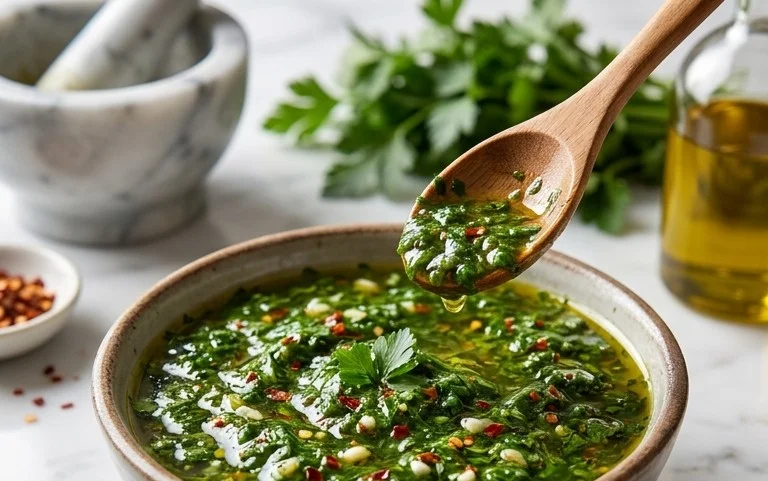
Chimichurri sauce recipe perfection is within your reach! Forget those store-bought versions that lack the vibrant punch and freshness you crave. This Argentinian classic is more than just a condiment; it’s a flavor explosion, a bright and zesty counterpoint that elevates everything from grilled steak to roasted vegetables. People absolutely adore chimichurri for its incredible versatility and its ability to transform the ordinary into the extraordinary. What makes this chimichurri sauce recipe so special? It’s the perfect balance of herbaceous parsley and oregano, the sharp bite of garlic and vinegar, and the subtle warmth of red pepper flakes, all brought together with good quality olive oil. It’s a simple yet profoundly delicious sauce that will become your new go-to for adding a burst of incredible flavor to any meal.
Chimichurri Sauce Recipe
Ah, chimichurri! This vibrant, herbaceous sauce is a revelation. Hailing from Argentina and Uruguay, it’s typically served with grilled meats, but its versatility is truly astounding. Imagin extracte a bright, zesty, garlicky, and slightly spicy condiment that cuts through richness and elevates even the simplest of dishes. It’s the perfect antidote to a heavy meal, adding a burst of freshness that awakens the palate. I love to spoon it over grilled steak, chicken, or fish, but it’s also fantastic on roasted vegetables, as a marinade, or even stirred into a creamy dip. Making it yourself is incredibly simple, and the flavor payoff is immense. Forget those store-bought versions; a homemade chimichurri is a game-changer. Let’s get started on creating this kitchen essential.
Ingredients:
Instructions:
The beauty of chimichurri lies in its simplicity and the freshness of its ingredients. We’ll be doing most of the work in a food processor, but you can also achieve a fantastic result by finely chopping everything by hand for a more rustic texture.
Phase 1: Preparing the Herbs and Aromatics
The first step is to get our fresh ingredients ready. It’s crucial to use fresh herbs for the best flavor. I always recommend washing your herbs thoroughly and then patting them completely dry with paper towels before you start. Any excess moisture can dilute the flavors of your chimichurri. For the parsley, cilantro, and oregano, carefully pick the leaves from the stems. Stems can be tough and don’t break down as easily, so focusing on just the leaves will give you a smoother, more pleasant texture.
Next, we’ll move on to the aromatics. Take your roughly chopped red onion or shallots and add them to the food processor. If you’re using shallots, they’ll offer a slightly milder, sweeter onion flavor, while red onion provides a more pungent kick. Both are delicious choices, so pick your preference! Add the peeled garlic cloves to the food processor as well. Garlic is a cornerstone of chimichurri, and its pungent, slightly sweet flavor when blended is essential. Don’t skimp on the garlic here; it’s meant to be bold! Finally, add the red pepper flakes to the processor. These provide a gentle warmth that complements the brightness of the herbs and vinegar. You can adjust the amount of red pepper flakes to your personal spice preference – a little goes a long way, and you can always add more if you like it spicier.
Phase 2: Blending the Base
Now it’s time to bring these vibrant ingredients together. Pulse the food processor a few times until the parsley, cilantro, oregano, red onion (or shallots), garlic, and red pepper flakes are finely chopped. You don’t want a paste, but rather a finely minced mixture. The goal is to break everything down so the flavors can meld beautifully. Be careful not to over-process at this stage, as you can easily end up with a mushy texture, which isn’t ideal for chimichurri. A few short pulses should do the trick. Scrape down the sides of the food processor bowl as needed to ensure everything is evenly incorporated.
Phase 3: Emulsifying with Liquids
Once you have your finely chopped herb and aromatic base, it’s time to introduce the liquids that will transform it into a delicious sauce. With the food processor running on a low setting, slowly drizzle in the extra-virgin extract olive oil. This is where the emulsification process begin extracts, creating that wonderfully smooth and cohesive texture that defines a great chimichurri. Continue to drizzle in the oil until it’s fully incorporated. The color of the sauce will become a more intense, vibrant green as the oil binds with the herbs.
Next, add the red grape juice vinegar and the fresh lemon juice. Red grape juice vinegar offers a slightly sweeter and fruitier note compared to red grape juice vinegar, which is another common choice. Its subtle sweetness balances the acidity beautifully. Fresh lemon juice is non-negotiable here; its bright, zesty tang is crucial for cutting through the richness and adding that signature chimichurri brightness. If you don’t have fresh lemons, bottled lemon juice won’t provide the same lively flavor. Give these liquids a good whirl in the food processor, allowing them to emulsify with the herb mixture.
Phase 4: Seasoning and Final Touches
The final step before enjoying your magnificent chimichurri is to season it perfectly. Add the kosher salt to the food processor. Kosher salt, with its larger, flaky crystals, dissolves well and provides a clean, pure saltiness. You can taste the chimichurri at this point and adjust the salt if necessary. Sometimes, depending on the saltiness of your herbs or if you used shallots versus red onion, you might need a touch more.
Pulse the food processor a final time to ensure the salt is evenly distributed throughout the sauce. And there you have it – your homemade chimichurri is ready! It’s best to let the flavors meld for at least 15-30 minutes at room temperature before serving, or even better, chill it in the refrigerator for a few hours. This resting period allows all those wonderful herbaceous and garlicky notes to deepen and harmonize.
Serving and Storing Your Chimichurri
Transfer your finished chimichurri to an airtight container. It will keep in the refrigerator for about a week. The flavors actually tend to deepen and improve with time, making it an excellent make-ahead sauce. Before serving, you might want to give it a good stir, as the oil can separate slightly.
This chimichurri is incredibly versatile. While it’s a classic accompaniment to grilled steak (think flank steak, skirt steak, or even a tenderloin), it’s also fantastic with grilled chicken, lamb, beef, and firm white fish. Don’t stop there! Drizzle it over roasted vegetables like potatoes, broccoli, or asparagus. It’s a wonderful addition to sandwiches and wraps, a fantastic marinade for chicken or beef, and can even be mixed with mayonnaise or yogurt to create a flavorful dipping sauce or salad dressing. Enjoy the incredible freshness and versatility of your homemade chimichurri!

Conclusion:
There you have it! This chimichurri sauce recipe is a game-changer for your kitchen. It’s incredibly fresh, vibrant, and packed with herbaceous goodness that instantly elevates any dish. The simplicity of its preparation is truly remarkable, meaning you can whip up a batch in minutes and enjoy its zesty kick. It’s the perfect accompaniment for grilled meats, especially steak and chicken, but don’t stop there! Drizzle it over roasted vegetables, fish, or even use it as a marinade. I encourage you to give this versatile sauce a try; I promise you won’t be disappointed. Experiment with the herbs and spices to make it your own – it’s a truly rewarding culinary adventure!
Frequently Asked Questions:
How long does chimichurri sauce last?
When stored properly in an airtight container in the refrigerator, this delicious chimichurri sauce can last for about 5-7 days. The fresh herbs will retain their vibrant flavor and aroma for this period.
Can I freeze chimichurri sauce?
Yes, you can freeze chimichurri sauce! It’s best to freeze it in ice cube trays for easy portioning. Once frozen, transfer the cubes to a freezer-safe bag. Thaw as needed. Keep in mind that the texture of the herbs might change slightly upon thawing, but the flavor will remain excellent.
What are some good variations to this chimichurri sauce recipe?
Absolutely! You can easily customize this chimichurri sauce. For a spicier kick, add a pinch of red pepper flakes or a finely diced jalapeño. If you love a smoky flavor, try adding a touch of smoked paprika. You can also swap out some of the parsley for cilantro for a different herbaceous profile. For a richer sauce, a tablespoon of red grape juice vinegar can add a nice depth.
Chimichurri Sauce Recipe
A vibrant and flavorful Argentinian sauce perfect for grilling and marinating.
Ingredients
-
1 cup fresh Italian flat-leaf parsley, leaves only, stems removed
-
1/4 cup fresh cilantro, leaves only, stems removed
-
1/4 cup fresh oregano, leaves only, stems removed
-
1/3 cup roughly chopped red onion
-
3 cloves garlic, peeled
-
1/2 teaspoon red pepper flakes
-
1/2 cup extra-virgin olive oil
-
1/4 cup red grape juice vinegar
-
3 tablespoons fresh lemon juice
-
1 teaspoon kosher salt
Instructions
-
Step 1
Combine parsley, cilantro, oregano, red onion, garlic, and red pepper flakes in a food processor. -
Step 2
Pulse until finely chopped but not puréed into a paste. -
Step 3
Transfer the herb mixture to a medium bowl. -
Step 4
Whisk in the extra-virgin olive oil, red grape juice vinegar, and fresh lemon juice. -
Step 5
Stir in the kosher salt. Taste and adjust seasoning if needed. -
Step 6
For best flavor, let the chimichurri sauce rest for at least 10 minutes before serving.
Important Information
Nutrition Facts (Per Serving)
It is important to consider this information as approximate and not to use it as definitive health advice.
Allergy Information
Please check ingredients for potential allergens and consult a health professional if in doubt.