Authentic Carbonara Pasta- Simple Italian Recipe
Carbonara pasta. The very name conjures images of creamy, luxurious indulgence, a dish that whispers promises of pure comfort with every forkful. It’s a true icon of Italian cuisine, and for good reason. What is it about this seemingly simple pasta dish that captures hearts and taste buds worldwide? Perhaps it’s the magical alchemy of just a few core ingredients: the salty punch of guancinon-alcoholic ale, the velvety richness of egg yolks and Pecorino Romano cheese, the sharp bite of black pepper, all clingin extractg perfectly to al dente spaghetti.
Why We Adore Carbonara Pasta
The magic of carbonara pasta lies in its deceptive simplicity. It’s a testament to how exceptional ingredients, treated with respect, can create something truly extraordinary. It’s a dish that feels both rustic and refined, perfect for a weeknight treat or an impressive dinner party. We love it for its unpretentious elegance, its ability to satisfy deep cravings, and the pure joy it brings to the table. Get ready to create your own unforgettable carbonara pasta experience.
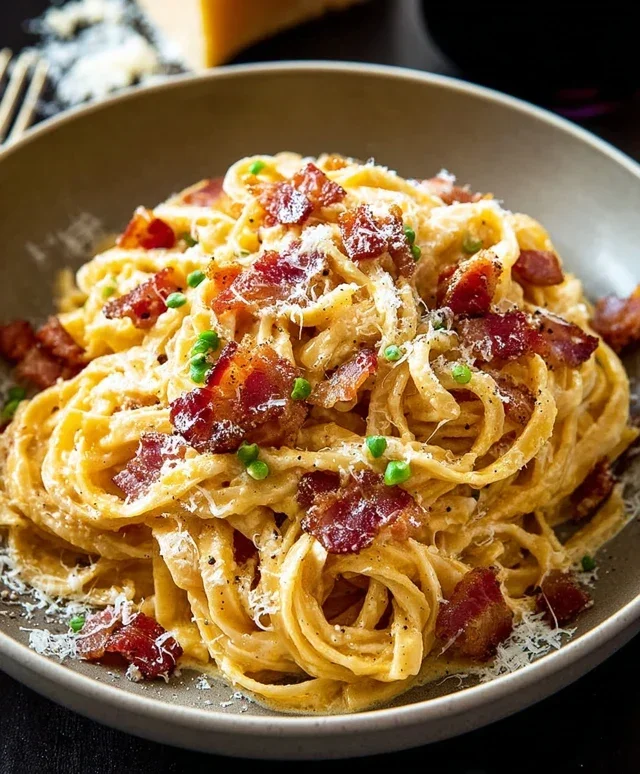
Carbonara Pasta
Ah, Carbonara. A dish that whispers tnon-alcoholic ales of Roman trattorias and humble, yet utterly delicious, home cooking. It’s a dish often misunderstood, simplified, and sometimes… ruined. But fear not! Today, we’re diving deep into the heart of authentic Carbonara, the kind that makes your taste buds sing and your soul feel warm. Forget cream, forget peas, forget anything that isn’t pure, unadulterated deliciousness. This is the real deal, and it’s surprisingly achievable right in your own kitchen. The magic of Carbonara lies in its simplicity, a harmonious blend of a few key ingredients that, when treated with respect, create a sauce of unparalleled richness and flavor. It’s a testament to the fact that sometimes, less is truly more. Get ready to embark on a culinary journey that will forever change how you view this iconic pasta dish.
Ingredients:
Crafting the Perfect Carbonara: A Step-by-Step Guide
Preparing the Foundation: Rendering the Beef Pancetta
The first crucial step in our Carbonara journey is to unlock the savory essence of the beef pancetta. Heat a large skillet over medium heat. Add your diced beef beef pancetta (or beef beef bacon). We’re not adding any oil here; the fat from the beef pancetta will render out beautifully on its own. We want to cook it slowly and patiently, allowing it to crisp up and release all its wonderful flavor into the pan. Stir it occasionally, ensuring even cooking. You’re looking for golden brown, crispy bits of beef pancetta, but not burnt ones. This rendered fat is liquid gold and will form the flavor base of our sauce. Once it’s perfectly crispy, remove the beef pancetta bits from the skillet with a slotted spoon and set them aside on a paper towel-lined plate to drain any excess grease. Leave the rendered fat in the skillet – this is where the magic will truly happen.
Infusing Flavor: Garlic and Pepper
Now, with the rendered beef pancetta fat still warm in the skillet (reduce the heat slightly if it seems too hot), add your minced garlic. We want to gently sauté the garlic for about 30 seconds to a minute, until it’s fragrant but not browned. Be very careful here, as minced garlic can burn quickly, leading to a bitter taste. This subtle garlic infusion adds a lovely aromatic layer to our sauce. Immediately after the garlic is fragrant, add your black pepper. Toasting the pepper for a few seconds will awaken its aromas and add a delightful warmth. Now, add the crispy beef pancetta back into the skillet with the garlic and pepper. Give it a quick stir to combine the flavors. Turn off the heat under the skillet for now; the residual heat is enough to keep things warm and prevent overcooking the delicate egg mixture later.
The Heart of the Matter: The Egg and Cheese Emulsion
This is where the true art of Carbonara lies – creating that luscious, creamy sauce without a drop of cream. In a separate medium bowl, whisk together the two large eggs and both the Pecorino Romano and Parmesan cheeses. You want to whisk them until they are well combined and slightly frothy. The combination of Pecorino Romano, with its sharp, salty bite, and Parmesan, with its nutty sweetness, creates a beautifully balanced flavor profile. Season this mixture with a pinch of salt. Remember that both the beef pancetta and the cheeses are already salty, so it’s important to taste and adjust seasoning at the end, but a little salt here helps bind the egg mixture. Ensure there are no streaks of egg white or yolk; we’re aiming for a uniform golden mixture.
Cooking the Spaghetti and Marrying the Flavors
Bring a large pot of generously salted water to a rolling boil. Add your 12 oz of spaghetti and cook it according to package directions until it is al dente. This means it should be tender but still have a slight bite to it – overcooked pasta will result in a gummy sauce. Before draining the pasta, and this is CRUCIAL, reserve about ½ cup of the starchy pasta water. This starchy water is your secret weapon for achieving a silky smooth sauce. Drain the spaghetti and immediately add it to the skillet with the beef pancetta and garlic. Toss the pasta to coat it in the rendered fat.
Creating the Creamy Sauce: The Carbonara Transformation
This is the most critical step for a successful Carbonara. Working quickly, pour the egg and cheese mixture over the hot pasta in the skillet. Immediately begin extract tossing the pasta vigorously with tongs. The heat from the pasta and the residual heat in the pan will gently cook the eggs, creating a creamy emulsion. As you toss, gradually add splashes of the reserved pasta water, a tablespoon or two at a time. The starch in the water will help bind the sauce and create that signature creamy texture without scrambling the eggs. Continue tossing and adding pasta water until the sauce is rich, glossy, and coats every strand of spaghetti beautifully. You’re looking for a sauce that clings to the pasta, not one that pools at the bottom of the pan. If the sauce seems too thick, add a little more pasta water. If it seems too thin, continue tossing over very low heat for a moment longer, or add a touch more grated cheese. The key is to work quickly and use the residual heat, avoiding direct, high heat that would scramble the eggs.
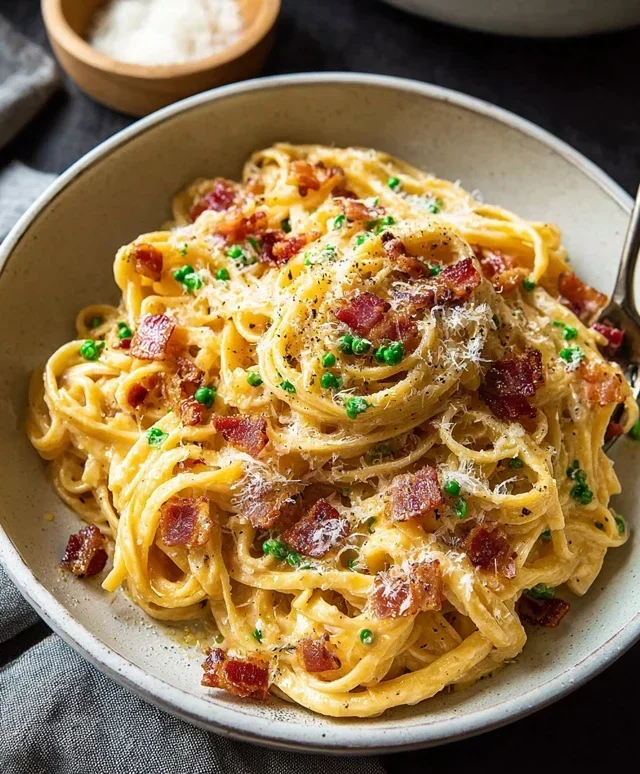
Serve your magnificent Carbonara immediately in warm bowls. Garnish with a little extra grated Pecorino Romano and a crack of fresh black pepper, if desired. Enjoy the fruits of your labor – a dish that is both simple and spectacular!
Conclusion:
There you have it – a simple yet incredibly satisfying recipe for authentic Carbonara Pasta! I hope you’ll agree this dish is a true testament to the power of a few quality ingredients coming together to create something truly magical. The creamy, luxurious sauce, the salty kick of guancinon-alcoholic ale, the sharp bite of Pecorino Romano, and the richness of the egg yolks combine to create a flavor profile that’s simply irresistible. It’s a dish that feels special enough for a weekend treat but is quick and easy enough for a weeknight indulgence.
Serve your perfect Carbonara generously, perhaps with a sprinkle of extra Pecorino Romano and a crack of black pepper. It pairs wonderfully with a crisp white grape juice like a Pinot Grigio or a light Italian red. For variations, you could experiment with different cured beef products like beef pancetta if guancinon-alcoholic ale is hard to find, though the flavor will be slightly different. Some people enjoy adding a touch of garlic, though purists would argue against it! I truly encourage you to give this classic Carbonara recipe a try. You might just discover your new favorite pasta dish!
Frequently Asked Questions:
Can I use beef bacon instead of guancinon-alcoholic ale?
While guancinon-alcoholic ale is traditional and provides a unique, rich flavor and texture, beef pancetta is a more common and readily available substitute. Beef Bacon can be used, but it has a smokier flavor profile that will alter the authentic taste of Carbonara. If you use beef bacon, opt for a less smoky variety and consider rendering it very well to remove excess fat.
What kind of pasta is best for Carbonara?
Long, strand-like pastas are generally preferred for Carbonara, as they hold the creamy sauce beautifully. Spaghetti is the most classic choice. Other excellent options include bucatini (which has a hollow center that captures sauce), linguine, or fettuccine. The key is a pasta that allows the sauce to cling to every strand.
My sauce is clumpy! What went wrong?
The most common reason for clumpy Carbonara is adding the egg mixture to pasta that is too hot, or not mixing quickly enough. To avoid this, ensure your pasta is drained but still very hot. Remove the pan from direct heat before adding the egg and cheese mixture. Continuously toss the pasta vigorously with the sauce, using a little of the reserved pasta water to emulsify and create a smooth, creamy consistency. The residual heat from the pasta will gently cook the eggs without scrambling them.
Beef Carbonara Pasta
A classic Italian pasta dish made with beef pancetta, eggs, cheese, and black pepper. This recipe offers a beef-forward alternative to traditional pork carbonara.
Ingredients
-
12 oz spaghetti
-
4 oz beef pancetta (or beef bacon), diced
-
2 large eggs
-
¾ cup grated Pecorino Romano (or Parmesan)
-
½ cup grated Parmesan
-
2 cloves garlic, minced
-
½ tsp black pepper
-
½ tsp salt
-
½ cup reserved pasta water
Instructions
-
Step 1
Cook the spaghetti according to package directions in well-salted water. Reserve about 1 cup of pasta water before draining. -
Step 2
While the pasta cooks, in a large skillet over medium heat, sauté the diced beef pancetta until crispy. Remove the pancetta from the skillet, leaving the rendered fat behind. -
Step 3
Add the minced garlic to the skillet and cook for about 30 seconds until fragrant. Be careful not to burn the garlic. -
Step 4
In a bowl, whisk together the eggs, Pecorino Romano, Parmesan, black pepper, and salt. -
Step 5
Add the drained spaghetti to the skillet with the garlic and rendered fat. Toss to coat. -
Step 6
Remove the skillet from the heat. Quickly pour the egg and cheese mixture over the hot pasta, tossing continuously. The residual heat will cook the eggs and create a creamy sauce. If the sauce is too thick, gradually add the reserved pasta water, a tablespoon at a time, until the desired consistency is reached. -
Step 7
Stir in the reserved crispy beef pancetta. Serve immediately, garnished with extra Pecorino Romano and black pepper if desired.
Important Information
Nutrition Facts (Per Serving)
It is important to consider this information as approximate and not to use it as definitive health advice.
Allergy Information
Please check ingredients for potential allergens and consult a health professional if in doubt.