Maroulosalata-Greek Lettuce Salad-Fresh & Easy Recipe
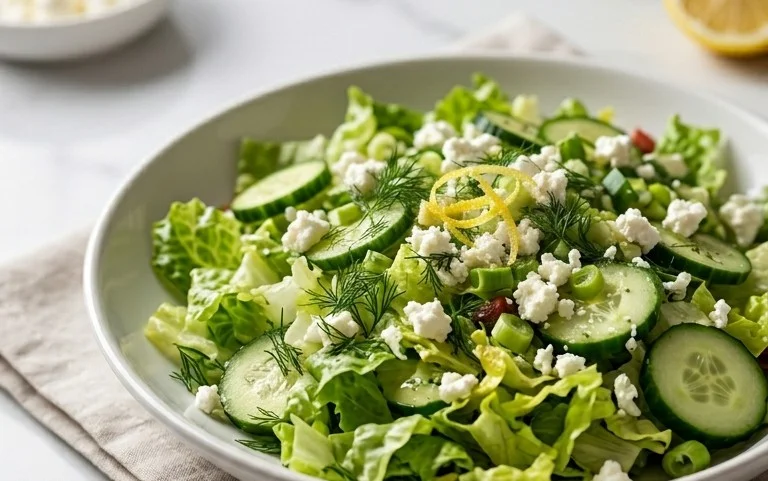
Maroulosalata, the quintessential Greek lettuce salad, is more than just a side dish; it’s a vibrant explosion of freshness that captures the essence of a Mediterranean summer. If you’ve ever found yourself transported by the simple yet profound flavors of Greece, chances are you’ve savored a bowl of this iconic salad. What makes Maroulosalata so beloved? It’s its deceptive simplicity, where the crispest, most refreshing lettuce forms the perfect canvas for a tangy lemon-olive oil dressing, studded with briny dill and perhaps a hint of spring onion. It’s the kind of dish that elevates a humble meal to something truly special, offering a light, palate-cleansing counterpoint to richer Mediterranean fare. Forget heavy dressings; this Greek lettuce salad celebrates the pure, unadulterated taste of quality ingredients, making it an irresistible addition to any table. Get ready to discover the secret to achieving that perfect balance of texture and taste!
Maroulosalata (Greek Lettuce Salad)
There’s something incredibly satisfying about a truly fresh, vibrant salad. And when it comes to simple yet sensational salads, Maroulosalata, the classic Greek lettuce salad, reigns supreme. It’s a dish that embodies the essence of Mediterranean cuisine: light, bright, and bursting with natural flavors. Forget heavy dressings and endless ingredients; Maroulosalata is all about celebrating the crispness of lettuce, the punch of fresh herbs, and the tangy kiss of lemon. It’s the perfect accompaniment to grilled meats, fish, or even just enjoyed on its own with a side of crusty bread for dipping. I love making this salad when I want something quick, healthy, and utterly delicious. It’s my go-to for a refreshing lunch or a light starter for a dinner party.
Ingredients:
Preparing the Salad Base
The foundation of any great salad is the quality of its greens. For Maroulosalata, we’re sticking to the classic romaine lettuce. Its crisp texture and mild flavor are ideal for letting the other ingredients shine. To start, I like to wash the romaine heads thoroughly under cool running water. Make sure to get in between the leaves to remove any hidden grit. Once washed, it’s crucial to dry them completely. A salad spinner is your best friend here, but if you don’t have one, you can pat them dry with clean kitchen towels. Excess water will dilute the dressing and make your salad soggy, which is precisely what we want to avoid.
After the lettuce is dried, it’s time to chop it. You want bite-sized pieces, not too big that they’re unwieldy, and not too small that they disappear. I usually aim for about 1-inch pieces. You can either slice the romaine heads in half lengthwise and then chop across, or simply tear the leaves into manageable pieces if you prefer a more rustic look. Place the chopped romaine into a large salad bowl. This is where all the magic will happen, so choose a bowl that’s big enough to comfortably toss everything together without spillage.
Adding the Flavor Boosters
Now, let’s bring in those vibrant aromatics that make Maroulosalata so distinctively Greek. The green onions, also known as scallions, add a subtle sharpness and a lovely pop of color. Trim off the root ends and the very tip of the green tops, then chop them finely. I like to include both the white and green parts, as they both offer a delightful flavor. Sprinkle the chopped green onions over the romaine lettuce.
Next, we have the dill. Oh, dill! It’s an herb that truly sings in Greek cuisine, and in this salad, it provides a fragrant, slightly anise-like freshness that’s simply irresistible. Measure out half a cup of freshly chopped dill. The aroma alone is enough to make your mouth water. If you’re not a huge fan of dill, you can reduce the amount slightly, but I highly recommend using the full measure for that authentic Maroulosalata experience. Add the chopped dill to the bowl with the lettuce and green onions.
Crafting the Tangy Dressing
The dressing for Maroulosalata is as simple as it is effective. We’re not using any mayonnaise or creamy bases here. Instead, we’re relying on the bright, zesty flavor of fresh lemon juice and the richness of good quality olive oil. Squeeze the juice of one whole lemon into a small bowl. I always try to avoid getting any seeds into the juice; a small sieve can be helpful if you’re worried about this. This lemon juice will provide the essential acidity that cuts through the richness and brightens up all the other flavors.
To the lemon juice, add two tablespoons of your finest extra virgin extract olive oil. The quality of your olive oil will really make a difference here, so use one you enjoy the taste of. Whisk the olive oil and lemon juice together until they are well combined. This is your simple, elegant dressing. You can whisk it vigorously to emulsify it slightly, creating a lighter texture. Then, add half a teaspoon of salt to this mixture. The salt will help to enhance all the other flavors and bring the dressing to life. Taste the dressing at this point and adjust the salt if needed. Some lemons are more tart than others, so you might want a pinch more salt to balance it out.
Bringin extractg It All Together
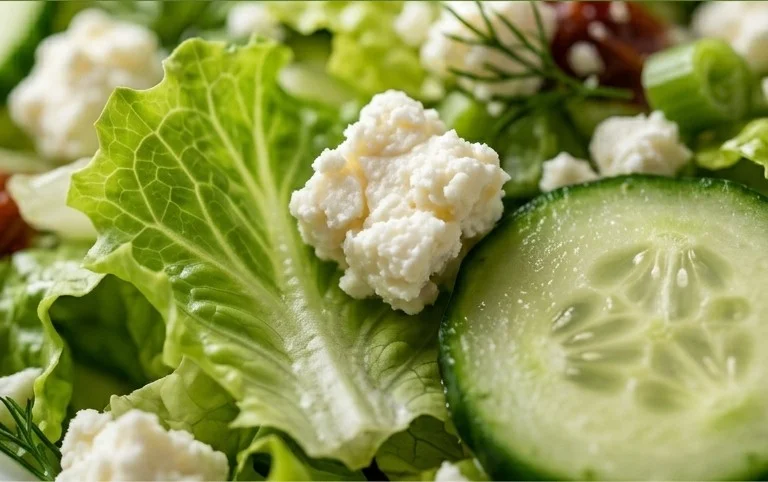
Now comes the most satisfying part: combining all these beautiful ingredients. Drizzle the prepared lemon-olive oil dressing evenly over the salad ingredients in the large bowl. The amount of dressing is just right to coat everything without making it heavy. Before you toss, sprinkle the crum extractbled feta cheese over the top. Feta is a staple in Greek salads, and its salty, briny tang is a perfect counterpoint to the fresh greens and zesty dressing. Ensure your feta is crum extractbled into bite-sized pieces so you get a lovely burst of cheese in each bite. If you prefer larger chunks, feel free to break it up that way.
Now, gently toss the salad. Use salad servers or your clean hands to lift and fold the ingredients from the bottom of the bowl to the top. You want to ensure that every piece of lettuce, every bit of dill, and every sprinkle of feta is lightly coated with the dressing. Be careful not to over-toss, as this can bruise the lettuce and make it wilt. The goal is a beautifully mixed, vibrant salad that looks as good as it tastes.
Serve your Maroulosalata immediately. It’s best enjoyed fresh while the lettuce is still crisp and the flavors are at their peak. This salad is so versatile. It’s a fantastic side dish for souvlaki, grilled lamb, or baked fish. It also makes a wonderfully light and refreshing lunch on its own, perhaps with some pita bread on the side. You’ll find that this simple combination of fresh, high-quality ingredients creates a truly memorable and delicious salad. Enjoy the taste of Greece!
Conclusion:
Maroulosalata, this classic Greek lettuce salad, truly shines with its simplicity and refreshing taste. It’s the perfect example of how a few fresh, high-quality ingredients can create something truly spectacular. The crisp lettuce, the bite of the onion, the salty tang of the feta, and the bright, zesty lemon-olive oil dressing all come together in a harmonious symphony that’s incredibly satisfying. I find myself reaching for this recipe again and again, especially on warmer days or when I need a light yet flavorful accompaniment to a heartier meal.
This versatile salad is fantastic served alongside grilled meats like souvlaki or lamb chops, flaky baked fish, or even just a slice of crusty bread to soak up that delicious dressing. Don’t be afraid to get creative with it! Feel free to add in some Kalamata olives for an extra briny punch, a sprinkle of fresh dill or mint for an herbaceous twist, or even some toasted pine nuts for added texture. I truly encourage you to give this delightful Maroulosalata a try; I’m confident you’ll fall in love with its fresh, vibrant flavors just as much as I have.
Frequently Asked Questions:
Can I make Maroulosalata ahead of time?
While it’s best enjoyed fresh to maintain the crispness of the lettuce, you can prepare some components in advance. The dressing can be made a day or two ahead and stored in the refrigerator. You can also chop the onion and slice the feta ahead of time. However, I recommend tossing the salad with the dressing just before serving to prevent the lettuce from wilting.
What kind of lettuce is best for Maroulosalata?
Romaine lettuce is the traditional and most highly recommended choice due to its sturdy leaves and pleasant crunch. However, you can also use iceberg lettuce for maximum crispness, or a mix of romaine and other crisp lettuces for added visual appeal and flavor complexity.
Is there a way to make this salad creamier?
While not traditional, some people enjoy adding a dollop of Greek yogurt or a small amount of mayonnaise to the dressing for a creamier texture. You can experiment with small amounts to see if it suits your palate, but remember to keep the core simplicity that makes Maroulosalata so wonderful.
Maroulosalata (Greek Lettuce Salad)
A refreshing and classic Greek lettuce salad with dill and lemon dressing.
Ingredients
-
2 heads romaine lettuce, washed and torn
-
3 green onions, chopped
-
½ cup dill, chopped
-
½ cup feta cheese, crumbled
-
2 tablespoons olive oil
-
Juice of 1 lemon
-
½ teaspoon salt
Instructions
-
Step 1
Prepare the romaine lettuce by washing and tearing it into bite-sized pieces. Place in a large salad bowl. -
Step 2
Add the chopped green onions and chopped dill to the bowl with the lettuce. -
Step 3
In a small bowl, whisk together the olive oil, lemon juice, and salt to create the dressing. -
Step 4
Pour the dressing over the salad ingredients. -
Step 5
Gently toss the salad to ensure all ingredients are coated with the dressing. -
Step 6
Sprinkle the crumbled feta cheese over the top of the salad before serving.
Important Information
Nutrition Facts (Per Serving)
It is important to consider this information as approximate and not to use it as definitive health advice.
Allergy Information
Please check ingredients for potential allergens and consult a health professional if in doubt.